Click below to explore:
* AGENDA
* SPEAKER BIOS
* DISCUSSION TOPICS / LEADERS
AGENDA
12:00pm PST – Pre-event Networking
1:00pm – DIY Welcome : Amy Tenderich, Theresa Hastings & Tim Gunn
1:05 – What’s Up with Hormones & Diabetes Data?
Panelists:
- Katarina Braune
- Dawnie Adams
- Julia Mader
2:05 – Algorithm Updates and Dyn.ISF, Chris Wilson
2:35 – Unified Algorithm, Sam King
3:05 – Stretch Break
3:15 – Product Updates
- Trio – Mike Plante
- Loop – Marion Barker
- Android APS – David Burren
3:55 – Dataset Opps & Inspiration, Lukas Schuster
4:25 – Interactive Discussions : Hackathon Inspo
4:50pm – Wrap Up
SPEAKER BIOS
(in order of appearance)
Amy Tenderich
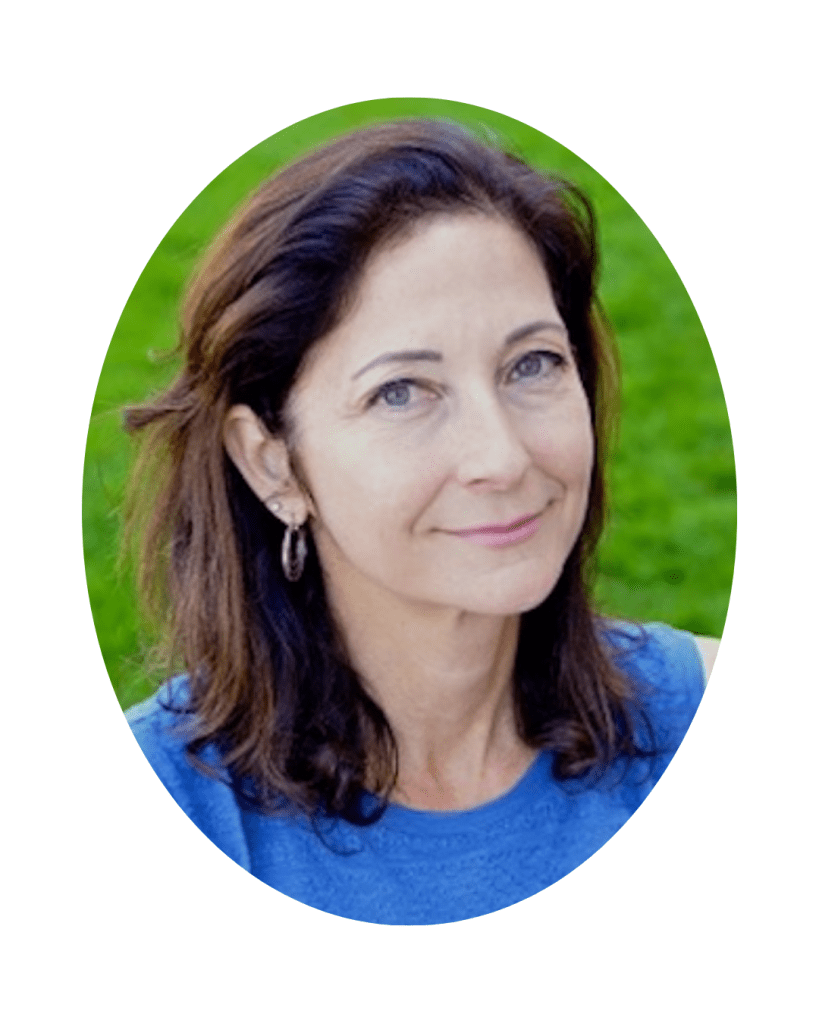
Amy is a journalist / blogger and nationally known patient advocate who hosts her own series of thought leadership events (the annual DiabetesMine Innovation Summit and biannual DiabetesMine #DData ExChange) that bring patient entrepreneurs together with the medical establishment to accelerate change.
Amy was Founder and Editor-in-Chief of DiabetesMine.com, a leading online information destination for people with diabetes that she launched after her diagnosis with type 1 diabetes in 2003. From 2015-2022, DiabetesMine was part of San Francisco-based Healthline Media, where Amy also served as Editorial Director, Diabetes & Patient Advocacy.
Amy was one of the early pioneers in the Diabetes Online Community (DOC), and has conducted numerous patient community research projects that have appeared in peer-reviewed journals, including the Journal of Diabetes Science and Technology. She serves as an advisor to the ADCES (Association of Diabetes Care and Education Specialists) in their Technology Workgroup Committee. In 2022, Amy was invited to be a judge for the Diabetes Center Berne’s Open Innovation Challenge. She recently co-hosted the Diabetes TechUp podcast sponsored by Novo Nordisk.
Theresa Hastings

Theresa was diagnosed with type 1 diabetes in September 1998. For years, she went through cycles of burn out. Until 2014, she knew no other person with T1D. In a serendipitous series of events, she came across a woman in her local mom Facebook group who was searching for an endocrinologist. Through their conversation, she discovered that the new contact had also navigated multiple pregnancies with T1D, and she introduced Theresa to the group DiabetesSisters — where she jumped head-first into volunteering and building a DiabetesSisters PODS group in Denver, CO.
DiabetesSisters introduced Theresa to the DIY Diabetes/Nightscout world in 2016. In 2017, she built her first Loop app and never looked back. She has not experienced diabetes burnout since finding the DiabetesSisters and DIY diabetes communities. She believes connection and community are key, and for that reason, she has dedicated her free time to building and sharing the DIY diabetes community with anyone who will listen. She is excited for what the future holds in diabetes technology and honored to be a part of pushing for patient-led progress through DIY technology.
Tim Gunn

Tim Gunn, diagnosed with type 1 diabetes at age seven, is a New Zealand-based Scientific Systems Engineer and technology enthusiast known for his work with Nightscout New Zealand and the OpenAPS community, developing DIY artificial pancreas systems to help manage the condition.
As a former chairman of Nightscout New Zealand and currently a Joint Chief of Staff at Nascence Biomed, he has championed patient-centered technology and spoken nationally about using DIY technology to improve health outcomes for those with T1D.
Katarine Braune

Dr. Katarina Braune is Professor of Digital Health – Non-Communicable Diseases at the Hasso Plattner Institute (HPI) in Potsdam and a pediatrician, diabetologist, and medical informatician at Charité – Universitätsmedizin Berlin, Germany. Her work bridges clinical care, digital technology, and social participation to improve life with chronic health conditions. As both a researcher and a person living with type 1 diabetes, Katarina is passionate about open-source innovation, digital self-determination, and equitable access to modern, user-centered care that integrates physical and mental health.
At HPI, she leads an interdisciplinary research group developing digital biomarkers, context-aware decision support systems, and interoperable technologies for management of chronic conditions. She is also deeply committed to advancing diversity and inclusion in digital health and diabetes technology—exploring how sex, gender, and broader social factors shape health outcomes and technology design, particularly in the context of women’s health.
Dawn Adams

Dawn resides in Northern Ireland. She was diagnosed with type 1 diabetes in 1993. She has worked closely with researchers from Ulster University and Diabetes UK, contributing to the co-creation and co-design of a project exploring the experiences of women with diabetes during menopause. She has provided lived experience input to the co-production of research priorities for type 1 diabetes with the James Lind Research Alliance.
Dawn volunteers with Diabetes UK and is involved in advocacy through various networks, including #dedoc, the International Diabetes Federation Blue Circle Voices Network, and Menopause Together.
In addition, she has partnered with Abbott Diabetes to address and reduce stigmas associated with diabetes and menopause and address the specific needs of those living with diabetes across different life stages.
Julia Mader

Julia Mader is Full Professor of Diabetes Technology at Medical University of Graz and Deputy Head of the Diabetes Outpatient Clinic. She graduated at Medical University of Graz where she also trained in Internal Medicine and Endocrinology. She was Visiting Professor at the University Hospital of Bern, Switzerland (2016-2017). She leads the Diabetes Technology
Research Unit at Medical University of Graz. Her research focuses on diabetes technology (insulin pumps, continuous glucose monitoring, automated insulin delivery system, diabetes management in the hospital and decision support systems). She has published over 190 peer-reviewed scientific papers. She has received several national and international awards. She is board member of the Austrian Diabetes Society, executive board member of the EASD and chairs EASD’s Training and Education Committee.
Chris Wilson
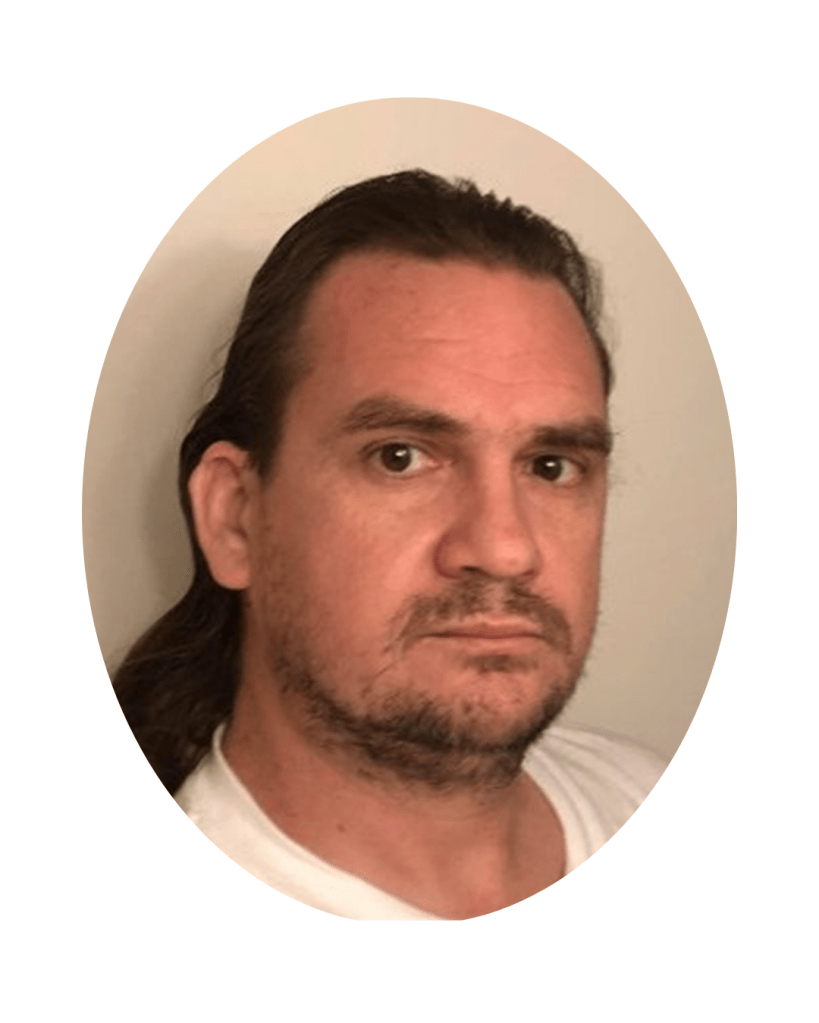
Diagnosed with T1D his freshman year of college, Chris has worked in Information Technology for more than two decades in a variety of roles from support to systems development, design and integration. He is active in the #DOC on Twitter and Facebook, serving on the admin teams of groups for Tandem pump and Dexcom system users.
Also an active clinical trial subject, Chris has participated in trials leading to FDA approval of both Dexcom’s G6 system and Xeris’ GVoke glucagon. Outside of diabetes, he enjoys competitive bowling and serves on the boards of directors of two nonprofit organizations in his hometown of Oceanside, CA.
Sam King

Sam is director of the Center for Information Technology Research in the Interest of Society and the Banatao Institute (CITRIS) at the University of California Davis. CITRIS leverages strengths in engineering, nanoscience, law, and medicine to address complex challenges at the intersection of food, health, the environment, and society.
His research focus is on technology to manage type 1 diabetes. Managing type 1 diabetes is hard, and he believes that novel software, hardware, and AI can help make it easier. Sam spent eight years in industry including time at two startups that he founded, along with Twitter, Lyft, and Stripe. He wrote an intriguing blog post about why he moved from academia to industry and back.
Lukas Schuster
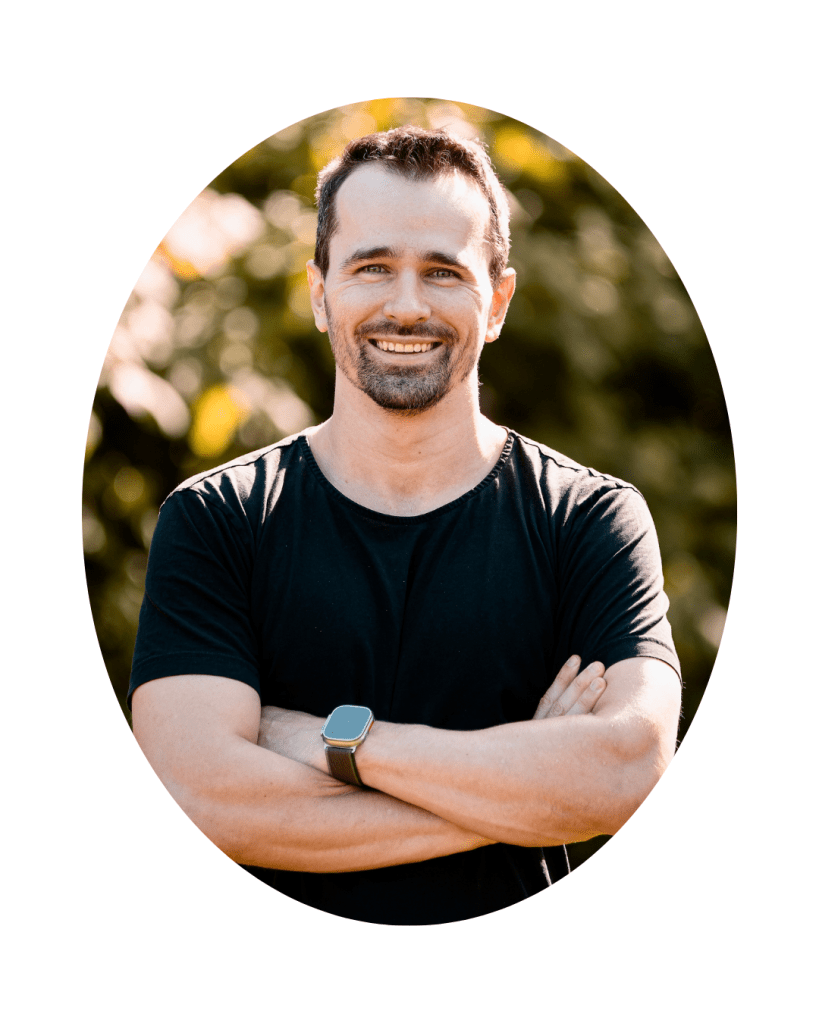
Lukas Schuster is the Founder and CEO of Syntactiq, a company dedicated to transforming research in healthcare through ethical AI and advanced analytics. With more than a decade of experience in digital diabetes innovation, Lukas has held key roles at mySugr and Roche Diabetes Care, where he contributed to pioneering digital health products and data-driven clinical research. His work bridges technology, behavioral science, and medical insight — aiming to make diabetes data more meaningful and useful for both individuals and researchers.
Living with type 1 diabetes himself, Lukas brings a unique combination of personal experience and professional expertise, driving his mission to empower the diabetes community and accelerate scientific discovery through responsible data use. At Syntactiq, he leads the development of Syno — a secure, AI-powered research platform that enables faster, more transparent, and privacy-preserving medical research. Syno is designed to give researchers and clinicians the power of modern AI while maintaining full control, compliance, and scientific integrity.
Mike Plante

Mike was diagnosed with type 1 diabetes in 2003 at just 11 years old. For the next 18 years, he navigated using traditional commercial pump technology, upgrading his MiniMed pump every four years Everything changed in 2021 when he started using Dexcom G6 and discovered the DIY Loop app and diabetes online community. Mike immersed himself in learning everything he could about the app, then began sharing that knowledge with others—helping countless people understand and utilize their own systems. His expertise and dedication quickly caught the attention of Loop and Learn, where he now serves as an admin.
As a founding member of Trio, Mike wears many hats: he develops, reviews, and tests code; moderates community support forums; manages documentation websites; creates educational videos; and tackles whatever else needs doing. His unique perspective—both as someone living with T1D and as a developer—helps ensure Trio remains accessible, effective, and user-focused.
Marion Barker

Marion was diagnosed with T1D in 1979 at age 23. She managed with multiple daily injections and lots of finger-sticks until her first CGM in 2015. After observing her glucose pattern for a few days, she modified her dosing strategy and soon added an insulin pump. She learned to shrink the peaks and valleys around meals and noticed she felt better overall. She began using Loop in 2018 and continues using it today.
She retired in 2021 from a 35-year career in the aerospace industry. Her final, paid jobs involved Flight Software for space instruments, along with testing and data analysis tasks. Her new, unpaid job is to support the Open Source diabetes community. Her main area of focus is Loop, but she also supports LoopFollow, Trio, LoopCaregiver and maintains several documentation websites.
David Burren

David is based in Australia, and he’s been active as a voice and developer in the DIY diabetes technology community since 2017.
Today, he is also a peer support leader and advocate, diabetes technology reference for many HCPs and PWD (known to many as the Bionic Wookiee). He also now works as part of several clinical research teams. For some years he’s been involved in various international conferences as a #deDOC advocate, and is now often also presenting on research topics.
His core work as one of the founders of Nascence Biomed is aiming to bring #WeAreNotWaiting AID technology to the masses through a system with regulatory approval. He’s proud that the technology has allowed him to do away with carb counting or even announcing meals since early 2021, and still maintain clinical results far beyond his HCPs’ expectations.
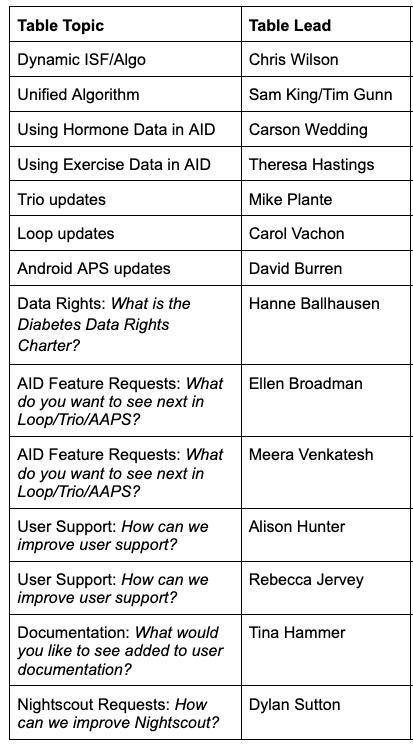
INTERACTIVE DISCUSSION TOPICS
 D-Data ExChange